Oscar-winning composer AR Rahman offered a public response after being criticized online over comments suggesting communal bias within the Hindi film industry. In a video shared on his official social media account, Rahman described his artistic journey and intentions without directly retracting his previous comments or labeling them as an apology.
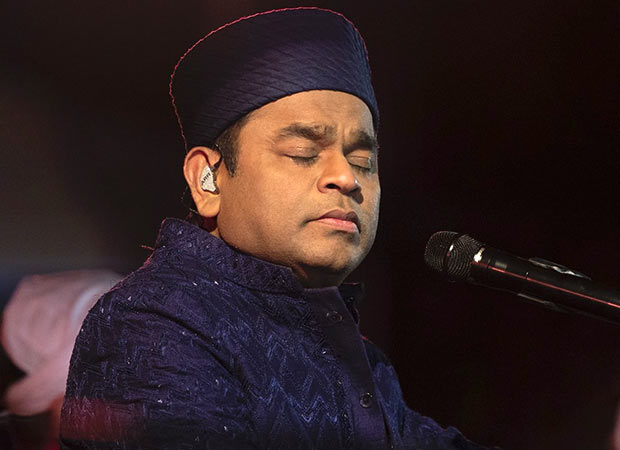
Days after facing backlash over “communal” remarks, AR Rahman said he “never wished to cause pain” in new Instagram post.
Rahman’s latest message emphasizes that his association with music has always been rooted in a desire to connect, honor and celebrate cultural expression. “Music has always been my way of connecting, celebrating and honoring our culture,” he said. He reaffirmed his deep connection with India, calling the country his “inspiration, teacher and home” and saying that “intentions can sometimes be misunderstood.” He added, “I have never wished to cause pain and I hope my sincerity will be felt.”
Rather than direct confrontation, Rahman’s message focused on broader themes of gratitude, creative freedom, and service through his music. He highlighted various initiatives they are involved in, including collaborative music projects, educational programs and efforts to amplify diverse voices in India’s cultural landscape.
Background of comments and reactions
The recent controversy began after an interview in which Rahman discussed changes in the Hindi film industry over the past eight years. He said the changing dynamics of the industry have worked less for him and suggested the influence of non-creative decision makers, hinting that it “can also be a communal thing.” He described this perception as something heard indirectly rather than something directly expressed.
That comment prompted significant discussion on social media and reactions from industry figures and viewers. Some critics said such a claim was unfair, while supporters defended Rahman’s right to express his experiences and viewpoints.
Rahman’s video does not specifically mention his interview or present the statement as an apology, but its overall tone sought to focus on the values of unity, creative expression and cultural celebration through music.