The controversy over sitar maestro Rishabh Rikhiram Sharma’s claim that he was the last disciple of late maestro Ravi Shankar has taken an apparent turn, with the Ravi Shankar Center issuing a detailed rebuttal refuting the claim.
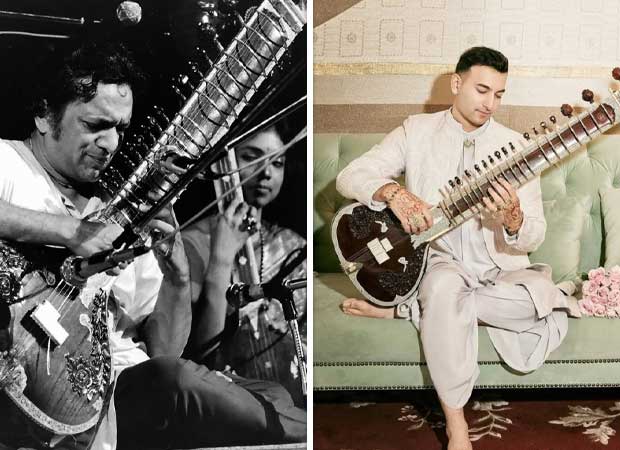
Ravi Shankar Center refutes Rishabh Rikhiram’s ‘last disciple’ claim, cites no formal initiation
In an official statement on February 27, the Center said that although Rishabh’s musical talent is recognised, there was no formal initiation (ganda-bandhan) or traditional ceremony that would have qualified him as a disciple in the classical guru-shishya tradition. It describes an incident from January 2012, often cited by Rishabh’s team, an informal string-tying at the request of the young musician’s father, lacking traditional rituals, a priest, prepared ceremonial thread or extensive witnesses.
The Center also cited Pandit Ravi Shankar’s public introduction at a concert, where the maestro reportedly told the audience, “I have just made a new, wonderful young boy my student, and just given him a few lessons.” According to the statement, he did not use the word “disciple” anywhere. After March 2012, when the veteran left India due to ill health, no continuous or structured teaching continued. Echoing a view often expressed by Ravi Shankar’s daughter, Grammy-nominated sitarist Anushka Shankar, the Center said this Disciple It has deep cultural meaning in Indian classical music and is acquired not by a handful of lessons, but by years of intense training and commitment.
Beyond social media narratives and short-term interactions, this has sparked extensive back-and-forth discussion in music circles about what defines a true guru-shishya bond in the traditional sense. Rishabh’s supporters continue to share photos and memories of his early association with Ravi Shankar, while critics of his claim point to the Centre’s clarification reminding them of the importance of such titles.