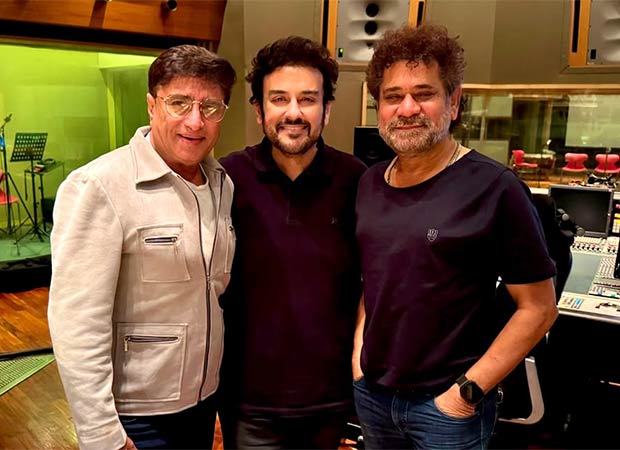
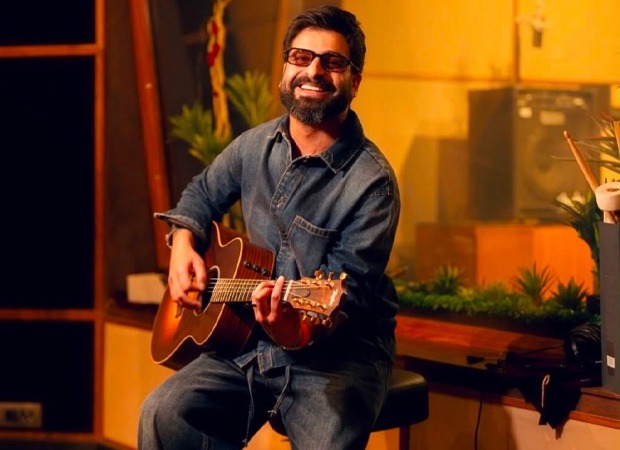
Recently it was a joyous occasion for ISAMRA (Indian Singers and Musicians Rights Association) as they announced that they have distributed Rs. Royalty worth Rs 100 crore to 26,000 singers and musicians. Spoke exclusively to those who fought bravely for the rights of singers – the legendary Sonu Nigam and Anup Jalota and ISAMRA Founder and MD, Sanjay Tandon.

EXCLUSIVE: ISAMRA distributed so many crores of rupees, Sonu Nigam remembered his famous song ‘Kal Ho Na Ho’ Rs. 100 crores in royalty to 26,000 singers; Anoop Jalota gets emotional; Sanjay Tandon recalls the journey from Rs. 51,000 to 100 crores
Sonu Nigam said, “It feels like a quiet victory, not loud, not dramatic, but deeply meaningful. Over the years, the voice created value but didn’t always get a share of that value. Today feels like a moment of rectification. Not just for me, but for every singer who has given his or her soul for a song. It’s a feeling of dignity returning. The system has finally started listening.”
In June 2024, Sanjay Tandon revealed that ISAMRA had distributed its first royalty, Rs. 51,000 for the song ‘Hug me’ (who was she; 1964). Travel explained from Rs 51,000 to Rs. Rs 100 crore, he replied, “That first royalty of Rs 51,000 was a start not only financially, but also emotionally. It proved that artists’ rights could move from theory to reality. From there to Rs 100 crore has been a journey of building from the beginning. There was no ready data, no structured system, and no precedent. There was just belief. Today, when we look back, it’s not just about the numbers. This is about restoring trust between singers and musicians. The value of their contribution goes beyond applause (smiles).”
Meanwhile, Anoop Jalota said, “It’s a very emotional moment. For years, singers have been the soul of music in this country, but their contribution has not always been recognized the way it should have been. Today feels like a long-awaited acknowledgement. It’s not just financial, it’s about respect, about respect. It feels like a blessing.”
AI factor
One of the immediate issues to be addressed is AI and how it can generate the voice of any singer. Sonu Nigam admits, “AI is both exciting and worrying. It can enhance music, but it can also blur the identity of the artist. A voice is extremely personal; it takes emotions, years of training and lived experience. If it can be replicated without consent, it becomes a serious issue. The way forward is awareness, strong legal frameworks and organizations like ISAMRA coming forward to protect artists. Consent and compensation should be non-negotiable. Technology “Creativity should be supported, not exploited.”
Sanjay Tandon agreed, “AI introduces both efficiency and risk. The biggest challenge is ownership. If a voice can be cloned or replicated, the question is who owns that use. ISAMRA is actively working toward a framework where any such use is governed by explicit consent and fair compensation. The principle remains simple. If a voice generates value, the artist must receive that value. Technology does not overtake rights. Can.”

the way forward
Some other challenges also remain. Anoop Jalota said, “Traditionally, singers are paid for recording a song, but not for the life of that song. A song survives, is heard, generates value across platforms and generations. That value must come back to the singer. The way forward is awareness and strong systems. Singers must understand their rights, and the industry must evolve to make royalties a standard practice. This change has begun, and now it must become the norm.”
Sanjay Tandon said, “The focus now is on scale and inclusivity. We want every artist, be it a leading voice or a session musician, to be a part of this ecosystem. Strengthening international partnerships, building a seamless one-window licensing system and educating artists about their rights are key priorities. The journey ahead is about making this system stronger, broader and more accessible.”
musical end of conversation
On a light note, we asked Sonu Nigam which song he remembered on this important occasion of ISAMRA. The singer flashed his amazing smile and said, “‘Tomorrow may or may not happen.. There’s a feeling in that song about valuing the present, accepting what really matters. This moment feels like this. What always belonged to singers is finally coming back to them. “It’s emotional, but also very important.”