Let’s be honest: 3 hours 49 minutes is a ridiculous runtime on paper.
Netflix and Amazon taught India how to binge and Dhurandhar 2 taught Bollywood how to cash in.
This is no breezy popcorn clock. This is not a “let’s watch a quick evening show” movie. It is a commitment. You’re booking tickets, finding parking, avoiding the chaos of the multiplex, standing in snack queues, and then sitting through a length that essentially stitches two regular Bollywood movies together.
According to every old school dramatic rule, Dhurandhar 2 Should have been in trouble. And yet, it is not so.
In fact, the most interesting thing is Dhurandhar 2 Not that it’s nearly four hours long. This means that the audience remains seated during every single minute of it. Not out of restlessness. Not reluctantly. But willingly. This tells you something important: cinema in India is quietly changing, and most people haven’t even noticed it yet. Old runtime rule has expired
For years, the industry treated runtimes like a landmine. Anything above 2 hours 30 minutes invites panic. Trade experts are concerned about fewer shows per day. Exhibitors are concerned about occupancy. It was believed that the audience lost attention. Filmmakers were told to cut, tighten and hurry up.
Then along comes Aditya Dhar, who saw all those warnings and casually said: What if the problem was never length, but laziness in storytelling?
This is the real provocation Dhurandhar 2.
Dhar reportedly shot about seven hours of content in India and Thailand. Most directors would have attacked that footage with scissors and fear. They could have turned it into a safe movie, stripped out the ambition, and proudly called it crisp. Instead, Dhar divided the saga into two parts and relied on the content. That trust is paying off. Dhurandhar was never made as a film. It was made to binge-watch
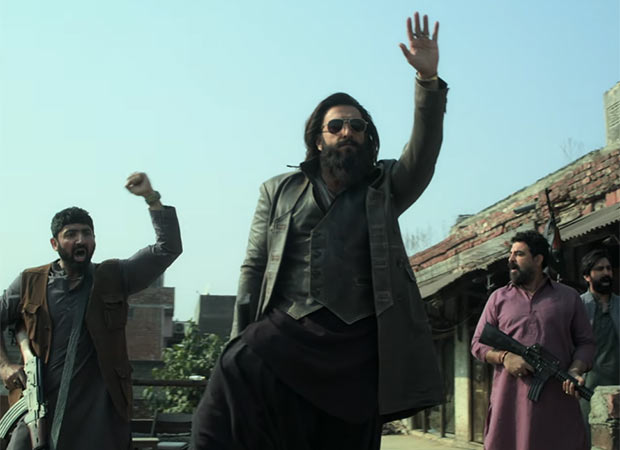
Here’s the insight no one is emphasizing enough: stalwart Doesn’t behave like a traditional film. It behaves like a series disguised as a dramatic event. That’s why runtimes vary.
The first film, and now the second, are structured in chapters. Each segment hits like an episode. A revelation. A tonal change. A new struggle. A mini-climax. Another twist. Then before the audience can fully process what’s happened, the next part pulls them in again. That rhythm is important.
People aren’t sitting in a theater thinking, “I’ve been here for 214 minutes.” They are experiencing the story in episodic bursts. Emotionally, it feels less like one giant movie and more like six unique episodes watched consecutively in the dark. It’s a very different psychology of seeing. And this is where OTT enters the conversation. Netflix and Prime didn’t destroy theaters. They trained the audience for this
The story of the lazy industry has been that OTT platforms have taken away the theatrical experience and the attention span. But Dhurandhar 2 Suggests something more interesting. OTT did not lose the patience of the audience. It reprogrammed it.
Now an entire generation consumes stories in seasons. Six episodes. Eight episodes. Ten episodes. Continuously for forty-five to sixty minutes. No lag. no pressure. No problem. Audiences have built up an entirely different stamina for narrative immersion.
So when you like a movie Dhurandhar 2 Comes together and reflects the chapter-by-chapter draw, the audience is not intimidated by the runtime. They are already trained for this. This is the change.
The Indian audience of 2026 is not the same audience as 2010. They don’t automatically reject length. They reject the pull. They reject stagnation. They reject scenes that feel like they exist only because a star wanted an extra slow-motion entry. The runtime is not the villain. is speed. Aditya Dhar understood the audience better than the critics. this is what makes Dhurandhar 2 Such an important case study.

While many filmmakers keep complaining that audiences no longer have the patience, Dhar seems to have taken the opposite tack. They seem to understand that people will happily spend four hours if the story continues to hold their attention. This is a big lesson.
because of success Dhurandhar 2 It’s not just about a blockbuster being content-based. That phrase has become a lazy crutch anyway. It’s about form. It’s about realizing that dramatic storytelling doesn’t have to stay stuck within the old template of setup, song, interval block, action stretch, climax, exit.
Audiences are now comfortable with longer durations, layered payoffs, delayed gratification, and episodic-style storytelling. They have been practicing on streaming platforms for years. Indian blockbuster films may have a long future, but only if they are smarter. This does not mean that every filmmaker should now make a film of 3 hours 49 minutes and expect applause. This would be a disastrous solution. Let’s not romanticize luxury.
A bad 100-minute movie seems endless. A great 220-minute film can make you feel electric. The audience is not rewarding Dhurandhar 2 To stay longer. They are rewarded for absorbing it. That distinction matters.
if anything, Dhurandhar 2 Mediocre filmmakers should be intimidated. Because this eliminates the excuse that the audience no longer has the patience. Obviously, they do. They just want speed. They want to increase tension. They want chapters that feel like they matter. They will sit. they will see. If the story earns then they will also skip the interval samosa.
Indian audiences have changed. The question is whether the rest of Bollywood has also followed this path?