There are some viral videos that make you laugh on the internet. And then there are some viral videos that should make the Internet stop, think and feel a little ashamed of itself. The recent trolling regarding Rahul Roy is of the second category.
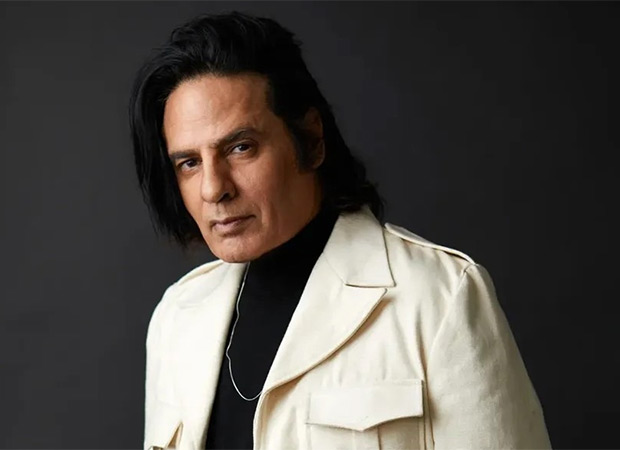
Stop trolling Rahul Roy: Behind those viral reels is a man fighting for health, wealth and respect
Since last few days, Aashiqui The actor found himself in the news again after a set of Instagram Reels went viral, in which he was seen with content creator Dr Vanita Ghadge Desai. The video drew mixed reactions online. Some fans were concerned. Some were confused. But many people chose the easiest and cruelest path. They made fun of him. Rahul Roy later responded to the trolling by saying that while he works with honesty and humility, he has to pay legal cases and these issues were present even before his brain stroke. He also urged genuinely concerned people to help him find good work instead of ridiculing him. That reaction changes everything.
Because once a man says he’s doing whatever it takes to meet obligations, pay dues, and stay active after a major health setback, the joke’s over. Memes should stop. Satire must die. The laughter should turn to uneasiness. Rahul Roy is not a meme. Rahul Roy is not a punchline. Rahul Roy is a man who is trying to survive with dignity. And that’s what makes this episode so heartbreaking.
There was a time when Rahul Roy was not just an actor. That was an incident. in 1990, Aashiqui Made her the face of romance for an entire generation. Her hair, her silence, her innocence, her songs, her image became part of the popular memory of Hindi cinema. For millions, he was not just a hero on screen; He was the boy in the love story that defined an era. And today the same man is being transformed into a viral clip.
This is the cruel irony of fame. At its peak, it worships you. When the spotlight goes away, she forgets you. And when you come out again in a form that people don’t expect, it makes fun of you.
Of course, one could say that the reels looked unusual. One might say the videos were strange. One can say that the content does not match the image of Rahul Roy in the minds of people. But since when did awkwardness become a license for cruelty? Since when did a former star trying to work become entertainment for trolls? Since when did human insecurities become public property?
This is the ugly side of the social media age. Everyone wants nostalgia, but only in sophisticated, glamorous, Instagram friendly form. We want the stars of the past to be captured in their most beautiful frames. We want Rahul Roy to stay Aashiqui Hero forever. Young, mysterious, romantic, untouched by time, untouched by disease, untouched by financial pressures, untouched by reality. But life doesn’t work like this.
People age. Career changes. Health deteriorates. There is problem of money. Legal issues bother people. Work dries up. The phone stops ringing. The same industry that celebrates an actor once upon a time doesn’t always know what to do with him decades later. And then, when that actor tries to stay visible, tries to stay active, tries to make money in any respectable way, the Internet asks: Why is he doing this?
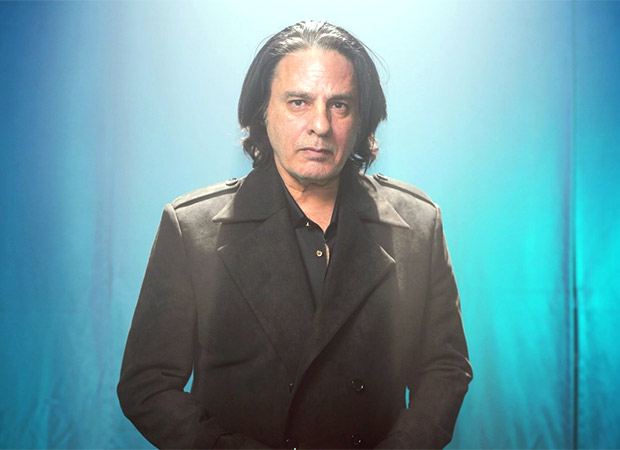
The answer to this may be uncomfortable, but Rahul Roy himself has given it. He has legal cases to pay. He is trying to work. He is trying to stand on his feet. He has already survived a major health crisis, having suffered a brain stroke in 2020, and reports surrounding his latest reaction have again linked his current condition to the long road to recovery and financial stress that will follow. After all, what is shameful in this?
There is no shame in needing work. There is no shame in accepting small opportunities after a big career. There’s no shame in appearing in reels, videos, events, or promotional material if that’s what keeps one financially afloat. There’s no shame in trying. The shame lies somewhere else.
The shame lies in the internet culture that turns one’s struggle into a joke. Shame on the viewers who type out mental health issues on one post and then insult a vulnerable public figure on another. Shame on us in a society that loves comeback stories after being successful, but makes fun of the difficult, dirty and painful process of comeback.
We often talk about dignity. But when a star is at the top, there is no test of dignity. Dignity is tested when the star is struggling. It’s easy to clap for a superstar walking the red carpet. It’s harder and more humane to respect a former star who did marginal work to get ahead.
Rahul Roy’s case also highlights a larger question about the film industry. What happens to actors after fame ends? What will happen to those who were once household names but are no longer commercially powerful? Is there enough space for them in films, OTT shows, reality formats, nostalgia programming, character roles, interviews, appearances and prestigious brand opportunities?
The industry does not need to give charity to Rahul Roy. But surely, an industry that thrives on nostalgia can afford to pay tribute to the people who created the nostalgia. Sure, there may be thoughtful casting, respectful cameos, meaningful interviews, music specials, streaming appearances or roles that allow such actors to work without becoming objects of pity.
Because when an actor of Rahul Roy’s legacy has to publicly say, in effect, “Help me find work,” it should trouble Bollywood. This should trouble casting directors. This should cause trouble to manufacturers. This should cause trouble to the audience as well.
we can’t celebrate Aashiqui Singing for 35 years and then turning a blind eye to the man who brought that image into our collective memory.
The saddest thing is that Rahul Roy’s reaction was not as angry as the trolls wanted. It was dignified. He did not misbehave. He did not play the role of victim. He simply reminded people that he works honestly, he has responsibilities, and if anyone is really concerned, they should help him in his work instead of making fun of him. That is not a publicity stunt. He is a man demanding to be seen as a human being. And perhaps this is why people became uncomfortable.
Because it is easy to troll when a person remains silent. It’s easier to laugh at a clip when you don’t think about the person inside it. But as soon as Rahul Roy replied, the reel remained just a reel. He became a mirror. It is a mirror of our cruelty, our hypocrisy and the way we treat people who are no longer useful to our fantasy of stardom.
So yes, stop trolling Rahul Roy. There’s not just any actor from the past behind those reels. Behind those reels is a human being fighting for health, wealth, work and respect. And the least the Internet can do is not make the fight harder.
Rahul Roy once gave Hindi cinema one of the most enduring love stories. Today, at least we can give him back a little humanity.