Singer Sona Mahapatra has once again expressed her strong opinion on a trending issue, this time she has targeted rapper Badshah amid the controversy over his recently released Haryanvi track. ‘Tatiri’. The singer criticized the problematic representation of women in music videos and broader pop culture narratives on Instagram.
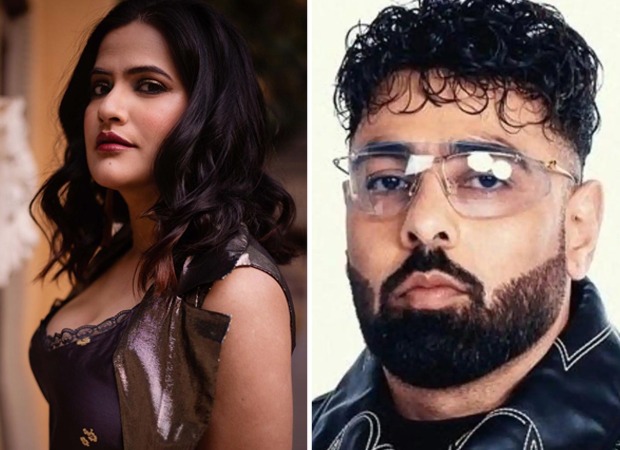
Sona Mohapatra criticizes Badshah on ‘Tatiri’ controversy: “This is not creativity. This is the laziest form of pop culture”
Mohapatra shared a strongly worded post addressing the issue and questioning the portrayal of masculinity and women in such content. Her caption reads, “Her” and now young girls in uniform as props… Stop with this rot of mind and soul. Real men exist. Good. Honorable. “Those who come forward and stand up, let’s make them heroes. Let’s make them what we want #India deserves better.”
In the post, he elaborated on his concerns about recurring stereotypes in mainstream music videos. “This isn’t the first time we’ve seen this template.” “A man puffing out his chest, flaunting machismo, objectifying women, and presenting himself as some irresistible hero, while women exist only to drool around him. ‘Tu mujhe marti hai, mujhe jaan show’ bullshit flying swag. This is not creativity. This is the laziest move in pop culture. And just calling yourself “Son of Haryana” with a sad face doesn’t matter. Haryana is already battling violence and honor killings in the country, he said.
He also highlighted the huge responsibility artists have when creating content that reaches millions of viewers. “Does cultural influence bear responsibility? Artists shape the imagination. You can challenge misogyny or profit from it. Badshah and these people, do better. And those of you who want to be victims of fashion are the ones paying for this nonsense.. Develop a mind or a soul?”
The criticism has come at a time when Badshah’s track TatiriThe film, which released on March 1, is already facing intense reaction online. The music video of the song sparked outrage among a section of the public, especially over the scene that allegedly showed girls in school uniform dancing inside a Haryana Roadways bus, which critics described as inappropriate.
The controversy escalated further when a complaint was filed with the Haryana State Women Commission, following which the authorities had to pay attention to the issue. Following this, the rapper issued a public apology and removed the song from streaming platforms and social media.
While Badshah has expressed regret over the matter and clarified that no offense was intended, Mohapatra’s comments have reignited conversations about artistic responsibility, gender representation, and the role of popular culture in shaping public attitudes.